Why Is an Annual Audit Important for Your Business in Nigeria?
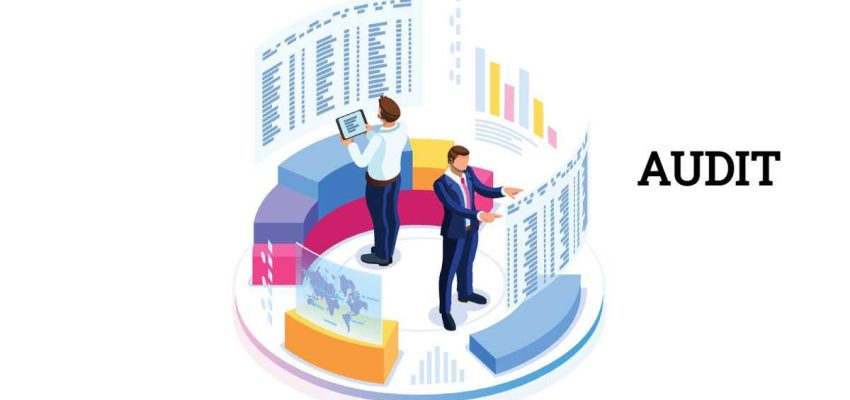
Why is an annual audit important for your business in Nigeria? An annual audit plays a significant role in helping businesses maintain accurate financial records, meet applicable regulatory requirements, and make informed decisions. It involves an independent examination of a company’s financial statements and relevant accounting records to assess whether they present a reliable picture of its financial position and performance.
In Nigeria, businesses are expected to maintain proper accounting records and comply with the laws applicable to their operations. Consequently, an annual audit can help business owners understand their financial performance, identify weaknesses in their accounting systems, and improve accountability.
Furthermore, an audit can strengthen confidence among shareholders, investors, lenders, and business partners. Whether a company is newly established or has operated for several years, a properly conducted audit can provide valuable information for financial planning and business development.
This article explains why an annual audit is important, the benefits it offers Nigerian businesses, and the documents that should be prepared before an audit begins.
1. Improves the Accuracy of Financial Statements
Accurate financial statements are essential for understanding a company’s financial position. They provide information about revenue, expenses, assets, liabilities, and profit. When errors occur in these records, management may make decisions based on inaccurate information.
During an annual audit, selected transactions and account balances are examined, while supporting documents may be reviewed for verification. Errors such as duplicated expenses, omitted transactions, incorrect calculations, and unsupported payments can therefore be identified.
For example, a business may record expenses that are not supported by invoices or payment evidence. Such discrepancies can be brought to management’s attention so that appropriate corrections can be made.
As a result, an annual audit helps improve the reliability of financial reporting. Business owners can also gain a clearer understanding of their company’s financial performance and use that information when planning future activities.
2. Supports Legal and Regulatory Compliance
Businesses in Nigeria must comply with the laws and regulations applicable to their operations. Depending on the company’s legal status and circumstances, statutory financial reporting and audit requirements may apply.
The Companies and Allied Matters Act (CAMA) 2020 provides the principal legal framework for companies incorporated in Nigeria, including relevant provisions concerning financial statements and auditors. Additional reporting obligations may arise under the requirements of relevant regulatory bodies.
An annual audit can help companies fulfil applicable reporting obligations by providing an independent examination of their financial statements. The resulting report may also be required by shareholders, regulators, lenders, or other authorised parties.
However, statutory audit requirements differ according to the company’s circumstances. Certain qualifying small companies may be exempt from appointing auditors under applicable provisions of CAMA. Therefore, business owners should confirm their specific obligations with a qualified professional.
By maintaining proper accounting records and meeting relevant deadlines, companies can demonstrate responsible management and strengthen their corporate governance practices.
3. Strengthens Tax Compliance and Record-Keeping
Tax compliance is an important responsibility for businesses operating in Nigeria. Companies must maintain relevant financial records, calculate their tax obligations correctly, and submit required returns within the prescribed deadlines.
An annual audit can support this process by examining financial information used in preparing tax computations. Revenue, expenses, payroll records, and relevant account balances may be reviewed to identify inconsistencies that require investigation.
For instance, differences between recorded sales and reported turnover may affect the accuracy of a company’s tax calculations. Similarly, missing supporting documents may create difficulties when expenses are reviewed for tax purposes.
When such issues are identified, management can investigate discrepancies and improve the quality of information provided to its tax advisers. This can help support more reliable tax reporting and reduce avoidable errors.
Nevertheless, businesses must ensure that their tax returns are prepared in accordance with applicable tax laws. An annual audit does not replace the need for proper tax planning, accurate tax computations, and timely filing of returns.
4. Identifies Financial Irregularities and Weaknesses in Internal Controls
Financial irregularities may arise from mistakes, inadequate procedures, poor documentation, or deliberate misconduct. If these problems remain unresolved, they can expose a business to unnecessary financial losses.
During an audit, unusual transactions, unexplained account balances, missing documentation, and unauthorised payments may be identified for further investigation. For example, differences between inventory records and physical stock may indicate weaknesses in the company’s stock management procedures.
Where potential fraud is suspected, additional investigative work may be necessary. Businesses should therefore complement their annual audits with appropriate safeguards, including payment approvals, segregation of duties, regular account reconciliations, and proper supervision.
By addressing identified weaknesses, management can improve financial controls and strengthen the protection of company assets.
5. Builds Confidence Among Investors, Banks, and Business Partners
Investors and financial institutions often require reliable information before committing funds to a business. Audited financial statements can provide this information by presenting financial results that have been independently examined.
For example, a bank may request audited accounts when assessing a company’s application for a business loan. Similarly, a potential investor may review the statements to evaluate profitability, liabilities, and financial stability.
Audited accounts can also support discussions with suppliers, customers, and other business partners who require evidence of responsible financial management.
Although an audit does not guarantee financing or investment, it can strengthen the credibility of the financial information available to stakeholders. This is particularly valuable for businesses seeking external funding, entering major contracts, or planning significant expansion.
6. Supports Better Business Planning and Decision-Making
Business owners need dependable financial information to make decisions about pricing, expenditure, staffing, investment, and expansion. An annual audit helps improve confidence in the financial statements used during this process.
For instance, financial information may reveal rising operating expenses, significant liabilities, or unusual movements in account balances. These matters can be investigated before management commits additional resources or changes its business strategy.
Furthermore, audited financial statements can be compared with those of previous periods to assess performance and identify areas that require attention. Management can use these findings to review budgets, control costs, and allocate resources more effectively.
However, annual financial statements provide a periodic view of the business. Monthly management accounts, cash-flow forecasts, and performance reports should also be maintained to monitor developments throughout the year.
When reliable financial information is combined with regular monitoring, better-informed decisions can be made.
7. Promotes Business Growth and Good Corporate Governance
As a business grows, its transactions, workforce, and operational responsibilities often become more complex. Additional branches, larger contracts, and new investments may require stronger financial oversight.
An annual audit can support this development by encouraging structured financial reporting and accountability. Its findings may also help directors assess whether existing procedures remain suitable for the company’s size and activities.
In addition, an independent examination of financial statements can support oversight by shareholders and other responsible parties. Where recommendations are made, management can use them to improve reporting procedures and clarify financial responsibilities.
For growing businesses, these practices can establish a stronger foundation for expansion and help prepare the organisation for more demanding reporting requirements.
Documents Required for an Annual Audit in Nigeria
Proper preparation is essential for an efficient audit. Businesses should maintain their accounting records throughout the financial year and organise supporting documents before the audit begins.
Depending on the company’s activities and the scope of the engagement, the following documents may be requested:
- Bank statements: These are used to review bank transactions and reconcile account balances.
- Accounting records: The general ledger, trial balance, journals, and other relevant records may be examined.
- Sales and purchase documents: Invoices, receipts, payment vouchers, and other supporting evidence help substantiate transactions.
- Payroll records: Salary schedules and relevant statutory contribution records may be reviewed.
- Asset and inventory records: These provide information about fixed assets, stock balances, and related transactions.
- Loan and liability schedules: These help establish the company’s outstanding financial obligations.
- Tax documents: Relevant tax returns, assessments, and payment evidence may be requested.
- Previous financial statements: Prior-year accounts and audit reports provide useful comparative information.
- Corporate documents: Relevant company records and supporting documents for significant transactions may be required.
Management should ensure that records are complete, outstanding reconciliations are addressed, and unusual transactions are properly documented. In addition, engaging an audit firm early can provide sufficient time to organise documents and respond to audit queries.
How to Choose the Right Audit Firm in Nigeria
Selecting a suitable audit firm is an important step towards obtaining a professional and useful audit. Businesses should consider the firm’s qualifications, relevant industry experience, professional standing, and understanding of applicable reporting requirements.
The auditor should be able to explain the audit process, the documents required, the expected timeline, and the scope of the engagement. Fees should also be discussed clearly before work begins.
Furthermore, businesses should ensure that the appointed auditor meets applicable professional and legal requirements. A suitable audit firm should maintain independence, protect confidential information, and communicate significant findings appropriately.
By choosing qualified professionals, businesses can improve the quality of the audit process and obtain findings that support better financial management.
Conclusion
Why is an annual audit important for your business in Nigeria? It helps improve the reliability of financial statements, supports applicable regulatory and tax reporting obligations, and identifies weaknesses that may affect financial management. It can also strengthen stakeholder confidence and provide useful information for business planning.
However, the value of an audit extends beyond the preparation of an audit report. Businesses benefit most when financial records are maintained properly, audit findings are reviewed, and recommended improvements are implemented.
Business owners should therefore confirm their statutory audit obligations, organise their financial documents, and engage qualified professionals when audit services are required.
Need Professional Audit Support for Your Business?
SOW Professional Services provides professional support to businesses seeking reliable financial reporting, proper record-keeping, and assistance with applicable compliance requirements.
Contact SOW Professional Services to discuss your company’s audit needs and determine the appropriate support for your business.