Financial Statement Audit in Nigeria: Requirements and Timing
Financial statement audits are central to corporate compliance, credibility, and tax accountability in Nigeria. Both local companies and multinational enterprises (MNEs) must adhere to statutory audit requirements to operate within the law. Understanding which businesses require audits, why the auditor’s opinion matters, and how to plan and execute the audit process is essential for staying compliant and credible.
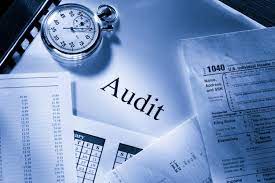
Audit Services in Nigeria
Audit is an independent examination and expression of opinion on the financial statements of an enterprise by an appointed auditor in pursuance of that appointment and compliance with any relevant law and regulation.
Classes of Businesses Required to Audit Financial Statements
All companies in Nigeria are subject to audit requirements, but the intensity of regulatory obligations varies:
-
Public Companies:
Public companies; whether local or MNE subsidiaries, must present audited financial statements annually. These audits protect shareholders, ensure transparency, and maintain market confidence.
-
Private Companies:
Medium and large private companies, including local entities and foreign-owned subsidiaries, must audit their accounts. Audits ensure accurate reporting, regulatory compliance, and reliable documentation for tax filings and statutory submissions.
-
Small Companies:
Even companies qualifying under the “small company” status, whether local or part of an MNE structure, are required to prepare audited financial statements. Regulatory requirements may be less cumbersome than for larger companies, but they cannot file tax returns without an auditor’s opinion, properly stamped with ICAN certification. This ensures that submitted tax returns are accurate, compliant, and verifiable by the Revenue Service.
-
Regulated Entities and Companies Seeking Financing:
Banks, insurance companies, pension fund administrators, fintechs, and other regulated entities must audit accounts according to sector-specific regulations. Similarly, companies; local or MNEs seeking loans, investments, or government approvals are expected to present audited financial statements to satisfy third-party due diligence.
Failing to conduct a required audit exposes businesses to penalties, delayed filings, and reputational risks.

Financial Statement Audit
Why the Auditor’s Opinion Matters
The auditor’s opinion confirms whether financial statements present a true and fair view of a company’s financial position. Its significance is heightened for both local businesses and MNEs:
Regulatory Compliance: Audited accounts with a proper ICAN-stamped opinion are mandatory for filing tax returns and statutory submissions.
Investor Confidence: Investors, lenders, and partners rely on auditor-verified financials for strategic decisions.
Corporate Governance: The opinion demonstrates adherence to accounting standards, internal controls, and transparency.
Qualified, adverse, or disclaimer opinions signal financial reporting weaknesses, triggering regulatory review, audit follow-ups, and potential delays in approvals or financing.
Timing of the Audit Process
The audit process aligns with the company’s financial year end. For most Nigerian businesses, this is 31 December:
Pre-Year-End Preparation: Reconcile accounts, review financial policies, and collate documentation before year end.
Post-Year-End Audit: Begins once books are closed. Early scheduling ensures timely completion and smooth filing.
Proper timing ensures audits are completed efficiently and tax returns are filed on schedule, particularly for MNE subsidiaries with global reporting timelines.
Typical Audit Duration
Audit duration depends on company size, complexity, and preparation level:
Small, well-prepared companies: 2–4 weeks
Medium-sized businesses: 4–8 weeks
Large or regulated entities (including MNE subsidiaries): Several months
Delays often result from incomplete documentation, unresolved reconciliations, or weak internal controls.
Key Audit Requirements and Documentation
Successful audits depend on complete, accurate, and accessible documentation:
Trial balances and general ledger
Bank statements and reconciliations
Revenue schedules and invoices
Expense records and payment evidence
Fixed asset register and depreciation schedules
Inventory records where applicable
Tax computations and prior filings
Corporate approvals, board minutes, and ICAN-stamped auditor’s opinion
Incomplete documentation increases audit queries, extends timelines, and may negatively affect the auditor’s opinion.
Preparing Effectively for an Audit
Preparation begins before year end. Businesses that maintain accurate records, resolve compliance issues early, and align reporting with regulatory expectations complete audits faster and receive clean auditor opinions.
Key preparation steps:
Regularly reconcile accounts
Resolve tax obligations promptly
Maintain supporting documents and approvals
Review accounting policies for consistency
Ensure ICAN certification of auditor’s opinion for statutory filing
Staying Compliant in Nigeria’s Corporate Space
Audited financial statements are non-negotiable for regulatory compliance. Both local companies and MNEs:
Cannot file tax returns without an ICAN-stamped auditor’s opinion
Must maintain accurate documentation to withstand scrutiny from regulators, tax authorities, and investors
Benefit from early audit preparation to avoid delays, penalties, and reputational risks
Final Position
Financial statement audits are a legal and operational requirement for all companies in Nigeria. Even small entities, despite lighter regulatory obligations, must have audited financial statements with an ICAN-stamped auditor’s opinion before filing tax returns . Both local and multinational businesses benefit from understanding audit requirements, planning for timing, and maintaining complete documentation to stay compliant, credible, and audit-ready.